Acoustic performance is a fundamental yet often under‑valued component of workplace design. While significant attention is given to visual aesthetics and ergonomic specification, the acoustic environment can have a profound impact on how a space actually functions—particularly in open-plan offices where sound reverberation and speech intelligibility directly influence user experience. Good acoustic design is about resolving these conditions and enabling spaces to perform as intended: supporting focus, collaboration, and privacy within the same footprint. Thoughtfully included acoustic solutions can transform workplace environments—reducing noise build-up, improving speech clarity, and contributing to more productive, adaptable, and human‑centred design outcomes.
The Importance of Acoustics in Workplaces
Acoustics are not just a comfort layer but a key driver of spatial quality—directly influencing how successfully a workplace supports its users and adapts to different modes of work.
Improved Focus and Productivity
Minimises distractions from conversations and office activity.
Helps employees concentrate for longer periods.
Better Concentration and Focus
Excessive noise creates cognitive load, making it harder for students to concentrate.
Acoustic treatment helps minimise distractions and allows students to stay engaged.
Research shows noise negatively affects attention, memory, and comprehension.
Improved Academic Performance
When students can hear clearly and focus better, learning outcomes improve directly.
Studies link good acoustics with:
Better reading comprehension
Higher test performance
Improved retention of information
Reduced Stress and Better Wellbeing
Noisy environments increase stress, frustration, and fatigue.
Acoustic comfort creates a calmer, more supportive classroom atmosphere, improving:
Emotional wellbeing
Behaviour
Overall classroom experience
Acoustic Wellness in the Workplace
This whitepaper examines the impact of poor workplace acoustics and outline how effective acoustic design can improve performance, wellbeing, and spatial outcomes.
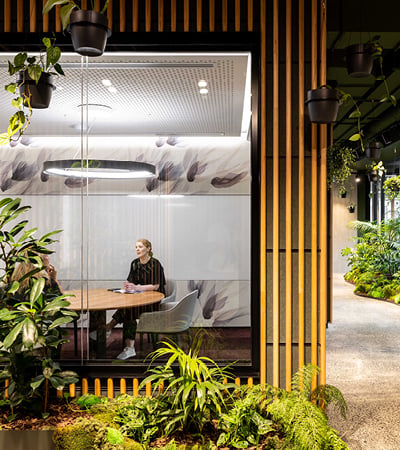
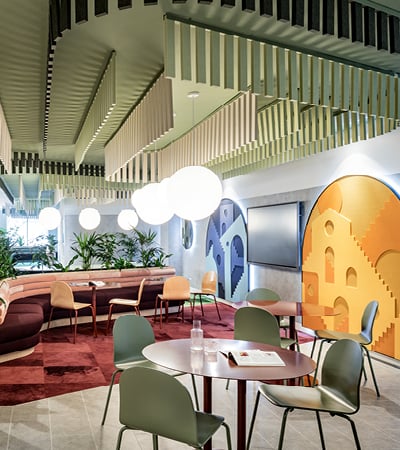
Designed to bring Samsung’s global brand to life within a local context, the new Auckland headquarters supports collaboration, connection, wellbeing, and a diverse range of workstyles.
Our third-party credentials reflect our commitment to accountability, transparency, and continuous improvement. They showcase that our solutions are designed with people, the environment, and for long-term impact in mind. It’s manufacturing that cares for people.
Our design team are industry experts with years of experience in bringing our clients ideas to life. Whether it be a simple office fit out or a bespoke job with intricate details, they have been there and designed it.
Spec Writing
RT Calculation
CPD Presentations
Product Presentations
In-House Design Services
Need Acoustic Treatment in your Workplaces Space?
Book a presentation here to learn more about our acoustics range made for workplaces.
Discover ideas, insights and practical guidance for creating workplaces that support focus, collaboration and comfort through considered acoustic design.
Colour Psychology in Interior Design
Colour is one of the most powerful tools available to architects and designers. Beyond aesthetics, it shapes how people experience a space, influencing mood, behaviour, perception, and even how easily they navigate an environment.
Designing for Well-being–Promoting Acoustic and Visual Comfort
As people, we spend a lot of time indoors, so it’s important that the spaces we occupy support our well-being. As part of the building industry, we can positively impact the people in spaces they come together to work, learn, and live in. By designing spaces that flatter our sensory and cognitive needs, we can improve how people experience spaces.
The built environment can have a profound impact on the physical and mental health and wellbeing of communities, so it is extremely important to carefully select the materials used in interior spaces to ensure they aren’t creating a dangerous environment for the building inhabitants.
From mood to perception of time, colour subconsciously influences emotion and behaviour on a daily basis. While our reaction to specific colours is largely subjective—informed by experience, culture, and context—there are some universal truths that transcend bias.
 New Zealand
 Australia
 United States
 United Kingdom
 Ireland